St John’s Wood: The Complete Area Guide
Few London neighbourhoods manage to feel genuinely spacious whilst sitting minutes from the West End, but St John's Wood pulls it off. ...


Baker Street is one of Marylebone’s most architecturally varied streets, with buildings spanning more than two centuries of development – so it’s worth exploring what it has to offer if you’re considering a move there. As Marylebone estate agents based in the heart of the district, Kubie Gold has monitored the Baker Street market for 25 years, and understands the kind of homes sold on the street in detail.
Equally, it’s important to grasp the kind of properties that exist on Baker Street, like some of the conservation rules governing changes to buildings, as well as unique features you’re likely to enjoy and any planning constraints.
Our brief guide is designed to help you explore the architectural character of Baker Street and its immediate surroundings.
Baker Street was developed from the 1790s onwards as part of the Portman Estate’s expansion of Marylebone. The earliest buildings were Georgian terraced houses, many of which were later replaced or substantially altered during the Victorian and Edwardian periods. The arrival of the Metropolitan Railway in 1863 made Baker Street one of the world’s first Underground stations and accelerated development, while the early twentieth century introduced the large mansion blocks which now define much of the street’s character.
Today, Baker Street’s building stock spans Georgian and Victorian townhouses (mostly on adjoining streets), Edwardian red-brick mansion blocks, Art Deco properties, and modern infill developments. The diversity within this short stretch of road is what gives Baker Street its particular appeal.
Mansion blocks are the dominant property type on Baker Street itself. These purpose-built residential buildings date primarily from the late nineteenth and early twentieth centuries and were designed to offer self-contained flats with a degree of communal service, for example, portered entrances, communal gardens, and lift access.
Chiltern Court is the most prominent example: a grand, nine-storey mansion block built in 1929 in a stripped classical style, sitting directly above Baker Street station. It contains approximately 180 flats ranging from one-bedroom apartments to large lateral units. Flats in Chiltern Court are among the most traded properties on Baker Street, with prices typically ranging from about £700,000 for a one-bedroom flat to over £2 million for larger units, according to recent Rightmove and Zoopla listings.

Other notable mansion blocks in the immediate vicinity include Clarence Gate Gardens (on Glentworth Street, overlooking Regent’s Park), Bickenhall Mansions (on Bickenhall Street), and several blocks along Marylebone Road and York Street. Common features include high ceilings (typically 2.7-3 metres), wide entrance halls, solid construction, sash windows, and decorative plasterwork.
Baker Street itself has few surviving complete townhouses, since most were replaced by mansion blocks or commercial buildings during the nineteenth and twentieth centuries. However, the surrounding streets retain excellent examples of Georgian and early Victorian domestic architecture. These include Gloucester Place, Manchester Street, Devonshire Place, and Dorset Square, which all feature four- and five-storey terraced houses with some tell-tale features: stucco-fronted or brick façades, sash windows, decorative ironwork balconies, and imposing front doors with fanlights.
Many townhouses have been converted into flats, particularly the larger properties on Gloucester Place and Devonshire Place. Some remain as single-family homes, though these are relatively rare and command significant premiums. Similarly, complete Georgian townhouses in this area can sell for £3 million upwards, according to some Rightmove data.
While you’ll find many historic properties along Baker street, that’s not necessarily the full story. Several modern residential developments have been completed in and around Baker Street over the past decade, replacing former commercial buildings or adding to existing blocks. These typically offer open-plan layouts, floor-to-ceiling windows, contemporary kitchens and bathrooms, concierge services, and secure access.
Notable developments include The Park Crescent (Grade I listed Nash façades refurbished into luxury apartments), Marylebone Square (a mixed-use development with residential units, shops, and a public square), and The Chilterns on Chiltern Street (offering high-specification flats with concierge, gym, and screening room). Prices for new-build two-bedroom flats in these developments typically start from about £2 million.
Want to know more? Find out about Baker Street living and discover which of the best streets in Baker Street might suit you best.
Significant parts of the Baker Street area fall within designated conservation areas, which have a direct impact on what property owners can and cannot do to their buildings. The principal conservation areas affecting Baker Street properties are:
Several individual buildings on or near Baker Street hold statutory listed status. The former Abbey National headquarters at 219-229 Baker Street is a notable Grade II listed building. The Park Crescent terraces (John Nash, 1812-22) are Grade I listed. Listed status restricts alterations to both the exterior and interior of a building, and listed building consent is required from Westminster City Council for any changes that affect the building’s character.
Practical impact for buyers: If you are considering a property within a conservation area or a listed building, factor in the additional planning requirements. External changes such as window replacement, painting, or the installation of satellite dishes typically require consent. Interior alterations in listed buildings may also require approval, including changes to original features such as cornicing, fireplaces, or staircases.
Period properties on and around Baker Street are valued for their architectural detail and generous proportions. Common features that buyers should expect – and that can add value – include:
Many owners choose to retain and restore period features while upgrading kitchens, bathrooms, and services to modern standards. Secondary glazing, underfloor heating beneath restored floorboards, and discreet air conditioning are common improvements. Properties with well-preserved original features in this area are likelier to command a premium over equivalent modernised flats, according to some agents.
The table below provides indicative price ranges for different property types on and immediately around Baker Street, based on recent listings and transactions recorded on Rightmove and Zoopla (as at early 2026):
| Property Type | Bedrooms | Approx. Size | Typical Price Range |
| Studio/1-bed flat (mansion block) | Studio-1 | 350-500 sq ft | £600,000-£1.1m |
| 2-bed flat (mansion block or conversion) | 2 | 700-1,100 sq ft | £1.2m-£2.5m |
| 3-bed lateral flat / maisonette | 3 | 1,200-1,800 sq ft | £2m-£4m |
| Townhouse (surrounding streets) | 4+ | 2,500-5,000+ sq ft | £3m-£13m+ |
| Penthouse / premium new-build | 2-4 | 1,500-3,000+ sq ft | £2.5m-£10m+ |
Private outdoor space is at a premium on Baker Street. Most mansion block flats do not have private gardens, though some ground-floor flats and penthouses offer small patios, terraces, or roof access. Several mansion blocks provide well-maintained communal gardens for residents, including those on Clarence Gate and Bickenhall Street.
Modern developments are more likely to include balconies or private terraces, and these features command a notable premium. However, the proximity of Regent’s Park (a five-minute walk from the northern end of Baker Street) substantially compensates for the lack of private gardens, offering 395 acres of parkland, sports facilities, and children’s play areas right on the doorstep.
The average flat price across Marylebone (which includes Baker Street) was £1,318,032 over the last 12 months, according to HM Land Registry data via Rightmove (updated February 2026). Prices on Baker Street itself vary widely: a one-bedroom mansion block flat might sell for £700,000-£1.1 million, while a large lateral apartment or penthouse could exceed £4 million.
Yes. Baker Street has a substantial rental market, particularly in mansion blocks and modern developments. According to the ONS, the average monthly private rent in Westminster was £3,181 in January 2026. Two-bedroom flats on Baker Street may rent for £3,500-£5,500 pcm, depending on specification and building.
Renovation is possible but subject to constraints. Properties within conservation areas require planning permission for most external changes. Listed buildings require listed building consent for any alterations – internal or external – that affect the building’s character. Westminster City Council’s planning team can advise on what is permissible for a specific property.
Service charges for mansion block flats on Baker Street can range from £3,000 to £8,000 per year, depending on the building’s size, age, and the level of services provided (porterage, lift maintenance, communal garden upkeep, building insurance). Premium new-build developments with concierge and leisure facilities may charge significantly more.
Baker Street sits at the upper end of the Marylebone market due to its transport links, proximity to Regent’s Park, and the quality of its mansion block stock. Premium streets immediately adjacent – such as Chiltern Street and Clarence Gate – can command even higher prices per square foot for the most desirable properties.
Feel you understand Baker Street and the orbiting areas a little better? If so, the next best step is to talk to our Marylebone estate agents who can discuss your options in far greater detail. Contact Kubie Gold today.

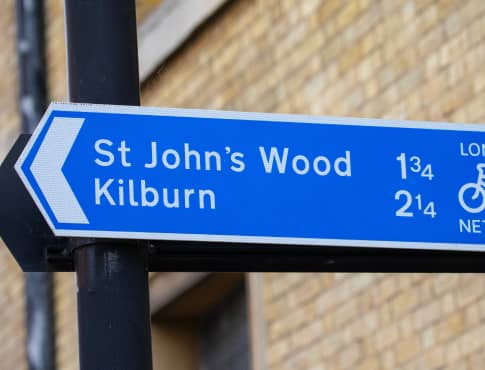
Few London neighbourhoods manage to feel genuinely spacious whilst sitting minutes from the West End, but St John's Wood pulls it off. ...
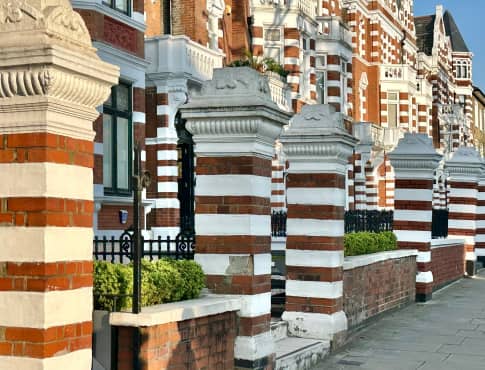
Streets in St John's Wood aren't identical, and the gap between them can run lead to large differences in property prices. A grand villa ...
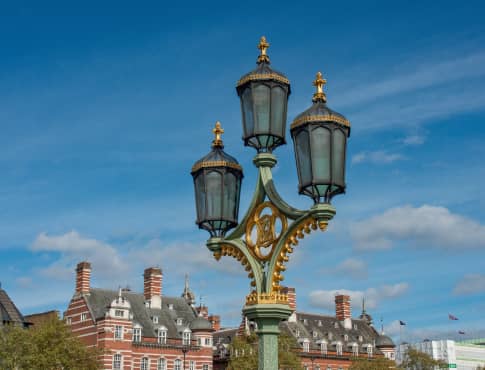
Detached Victorian villas, garden-lined avenues, and a streetscape that feels more like a prosperous country town than inner London, St J...


