Living in Covent Garden: An Area Guide
Living in Covent Garden: Is London's Most Visited District Actually a Great Place to Live? Forty-four thousand people pass through Coven...


After a year of lockdowns which saw the rental market grind to a halt, tenant demand is returning to central London. The increase in demand is being driven by a return to the office and the reopening of international travel, bringing ex-pats and international students back to London.

In this article, we share ten tips on finding a good flat in London.
Location is critical when choosing a home, so you need to bear in mind the neighbourhood of your chosen flat as well as its proximity to shops, bars, restaurants, parks and transport links. Be sure to do plenty of research into London neighbourhoods before deciding which one is best for you.
Camden is very well connected because it has a tube station on the Northern Line that will take you to the City and West End and an overground station that can quickly speed you to other stations in the east and west of the city. This area is also very well served by buses and night buses.
London is famous for its open spaces and pretty parks. Regents Park boasts lots of greenery and gardens, and you will find the London Zoo and an open-air theatre there too. Camden, Marylebone and Baker Street are all within walking distance of the park, and each one has a tube station nearby too, so you will get the best of both worlds. North London is full of areas with pretty open spaces, such as Primrose Hill and St Johns Wood, so take a look around the different neighbourhoods and find one where you feel at home.
If you fancy being in the centre of all the cultural activity, take a look at the beautiful properties on offer in central London districts such as Fitzrovia, Mayfair and Soho. All of these areas have an array of bars, restaurants and shops on their doorstep, so you will never need to go far to find something to do.
Think about the type of house you want to live in; this will help you narrow down your search. When making your list think about which things are must-haves and where you would be prepared to compromise. Here are a few things to consider:
London is one of the world’s most expensive cities to live in. Most landlords will require your monthly earnings to be at least three times the rent. If your salary is less than this, you may be asked to provide a guarantor.
You will also need to budget for council tax, gas, electricity, water, broadband, insurance and TV license costs.
Especially if you are moving to the UK from abroad, you may not be familiar with some of the property terminologies around renting a flat.
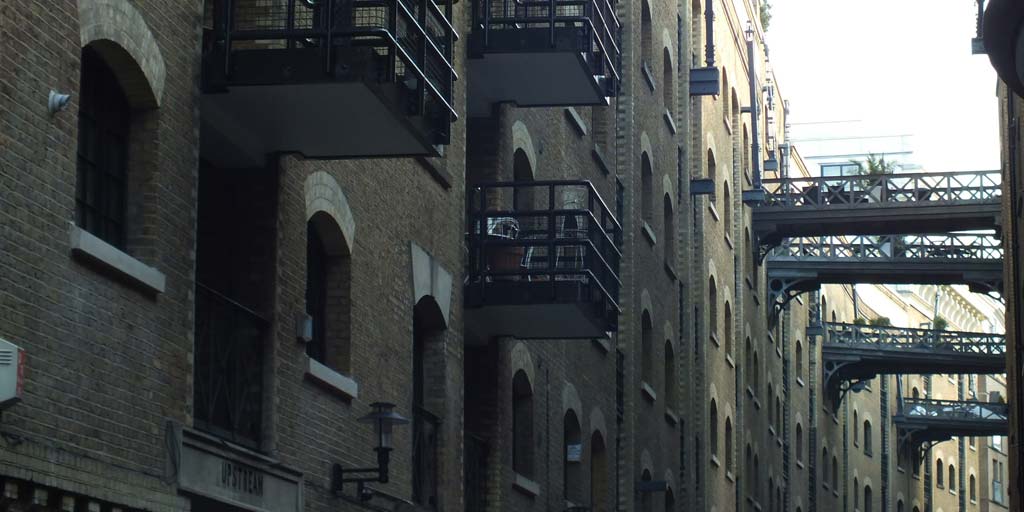
Purpose-built – The building was originally constructed as flats.
Mansion flats – Built in the late 1800s these are the first purpose-built apartments in London. They are built in a distinctive style, usually in red or yellow brick and are highly desirable.
Converted – Buildings that have been renovated and redesigned to contain flats. In London, this is typically converted warehouses, large period homes or even power stations!
House/flat share – Renting a room in someone’s house or flat. You would have your own bedroom but share the other facilities with the owner of the house.
Studio – A flat with a combined living, dining, kitchen and bedroom space (the bathroom is the only separate room).
Maisonette – A house that has been split into two separate flats, each with their own private entrance.
Terraced – A property that is attached to houses on either side.
Semi-detached – A property that is attached to another house on just one side.
Most renters start their search online. The two biggest property websites to find a flat in London are Rightmove and Zoopla.
If your budget is tight, renting a room in a shared flat or house is a good option. SpareRoom is a popular online platform for finding various types of shared accommodation.
Although almost all rental properties are advertised online, it is still worth registering with a few trusted local estate agents. They will help you find a property to rent, and you may get to see properties before they go online.
Kubie Gold are an independent local firm of estate agents specialising in residential property in north-west and central London. The service that we provide differs from most firms, and we find that our clients and applicants continually return to us time and again.
When you have found a property you would like to rent, you will need to put down a holding deposit (capped at one week’s rent) and complete an application form. Get ahead and gather all the information you will need in advance:

Landlords in England are legally obliged to check the immigration status of their tenants to ensure they have a right to rent. Be ready with your passport or visa documentation.
Due to the fast pace of the rental market in London, it is advisable to have all decision-makers attending the viewing so you can decide quickly and not miss out.
Take your list of must-haves with you to make sure the property is a good match. Take photos for future reference and ask lots of questions.
If you have had your application accepted, you will be asked for a security deposit. Security deposits are capped at five weeks’ rent where the annual rent is less than £50,000 and six weeks’ rent where the annual rent is £50,000 or more.
Landlords must put your security deposit in a government-approved scheme, and they should inform you which one they used.
London’s rental market is fast-moving; there are many prospective tenants actively looking for a new home. Your flat hunting will be more successful if you are flexible, ready to make compromises and prepared to act quickly.
Contact us today to discuss your flat requirements and find your dream rental home.

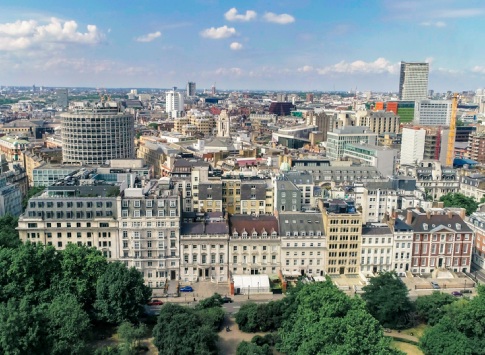
Living in Covent Garden: Is London's Most Visited District Actually a Great Place to Live? Forty-four thousand people pass through Coven...

Two streets thirty seconds apart on foot. A £500,000 difference on a comparable flat. That's the reality of buying in Covent Garden, wher...
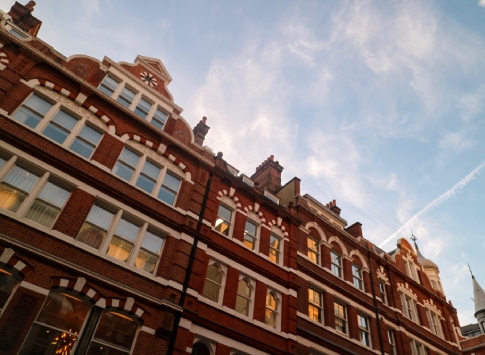
Tucked behind one of Europe's busiest tourist destinations lies a collection of genuinely quiet residential streets — and some of Central...


