Living in Covent Garden: An Area Guide
Living in Covent Garden: Is London's Most Visited District Actually a Great Place to Live? Forty-four thousand people pass through Coven...


Maida Vale’s architecture is one of the main reasons people choose to live here. Stucco-fronted mansion blocks, high-ceilinged period conversions, and the occasional whitewashed villa line streets that have changed surprisingly little since they were laid out in the late Victorian period. It’s an area where the housing stock itself is a reason to buy, not just a backdrop to other factors.

This guide covers the main property types you’ll find, the planning and conservation framework that protects them, the streets where the best homes tend to be, and what buyers should expect in terms of typical sizes, features, and outdoor space.
Maida Vale’s housing is dominated by flats, the majority of them in two main forms.
According to Rightmove, average flat prices currently sit around £781,000, while terraced houses average approximately £1.7 million. The spread is wide though. A one-bedroom conversion flat in Maida Hill may be found from around £500,000, while a ground-floor flat on Blomfield Road with canal views could comfortably exceed £2 million.
Much of Maida Vale sits within a conservation area designated by Westminster City Council. The Maida Vale Conservation Area covers the bulk of the neighbourhood, including most of the principal streets and the Little Venice waterway. The designation means that alterations visible from the street, such as replacing windows, changing door styles, adding dormer windows, or modifying facades, typically require planning permission.
Several individual buildings in the area are listed. Clifton Villas is Grade II listed, as is St Saviour’s Church on Warwick Avenue. Lauderdale Mansions and parts of Warrington Crescent have listed status too. For buyers, listed building consent is required for any works that might affect the character of a listed structure, which includes internal as well as external changes.
Conservation area status keeps the neighbourhood intact and protects values. But anyone buying here should take advice on what alterations are permissible before exchanging contracts, particularly if they’re planning renovations.
Within Maida Vale, certain streets have a consistently stronger draw and tend to hold or grow their values.
New development within Maida Vale proper is very limited, primarily because conservation area restrictions make large-scale schemes difficult to achieve. The notable recent and current exceptions are worth knowing about.
There are ongoing smaller conversion projects on streets like Harrow Road and Elgin Avenue, where older commercial buildings or less significant residential structures are being converted into flats. Westminster City Council’s planning portal lists current applications in the area.
Want to know more? Find out about living in Maida Vale and explore which of the best streets in Maida Vale might suit you best.
Maida Vale’s Victorian and Edwardian homes have a set of features that recur across the neighbourhood, and they’re worth knowing about before viewing.
Maida Vale’s period stock runs substantially larger than most modern London flats. Average new-build flats in the UK are around 46m², but mansion block flats in Maida Vale frequently start at 70–80m² for a one-bedroom and reach 130–150m² for three bedrooms.
A typical mansion flat layout includes a wide entrance hallway, a large reception room, a separate kitchen, two or three bedrooms, and at least one bathroom. The better examples also include a second WC and a utility or box room.
Period conversion flats vary more widely, since they depend on how the original terraced house was divided. Lower-ground-floor flats often run front-to-back at one level and can be surprisingly large, with separate garden access. Upper-floor split-level conversions are less common but do appear, and can include roof terrace space.
Terraced houses in single occupation typically span four or five storeys with a basement, providing substantial square footage, often 400m² or more, with front and rear gardens.
Private gardens are less common in this part of London than in lower-density suburbs, but Maida Vale does better than many comparable areas.
Flat owners in mansion blocks generally have access to communal gardens. These are often well-kept, with lawn areas, seating, and sometimes storage. They’re a managed amenity rather than private space, but they’re meaningfully different from having no outdoor space at all.
Ground-floor and lower-ground-floor flats in converted terraces sometimes include private patio or garden sections, either to the front below the front steps, or to the rear. These are worth looking for, particularly in the spring and summer market when outdoor space is valued most.
Whole terraced houses almost always have front and rear gardens. On streets like Warrington Crescent and Clifton Gardens, rear gardens can be substantial, with 15 to 25 metres being common. Some properties along the canal also have private mooring rights, adding a further unusual feature.
Westminster City Council’s conservation policies also protect communal gardens from development, so the green spaces associated with the major mansion block estates are unlikely to change.
Flat prices average around £780,000 according to Rightmove. Terraced houses average £1.7 million, and the most desirable streets, including Blomfield Road, Randolph Road, and Warrington Crescent, see considerably higher prices for larger houses and premium flats.
Flats, whether in mansion blocks or period conversions, are almost always leasehold. When assessing any flat purchase in Maida Vale, lease length is a critical factor. Leases below 80 years become significantly harder and more expensive to extend. Whole terraced houses may be freehold or subject to long leases.
Within the conservation area, which covers most of Maida Vale, there are more restrictions than elsewhere. Changing windows, altering facades, or adding extensions usually requires consent. Your solicitor and a local planning consultant can clarify what is and isn’t permissible before you commit.
High ceilings, original fireplaces, large sash windows, and communal or private garden access consistently draw the highest prices. Properties on upper floors with good light, on named streets, and within well-managed blocks also tend to sell above the average.
The Maida Vale market moves at pace, and knowing what’s available before it’s widely listed makes a real difference. Contact our team to discuss what you’re looking for.

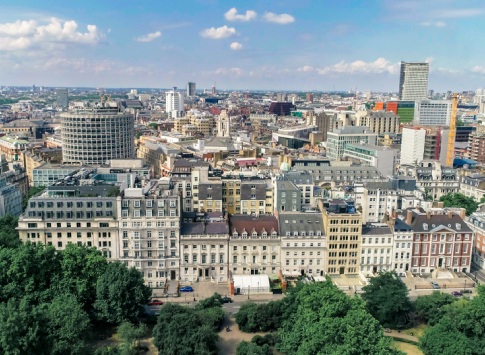
Living in Covent Garden: Is London's Most Visited District Actually a Great Place to Live? Forty-four thousand people pass through Coven...
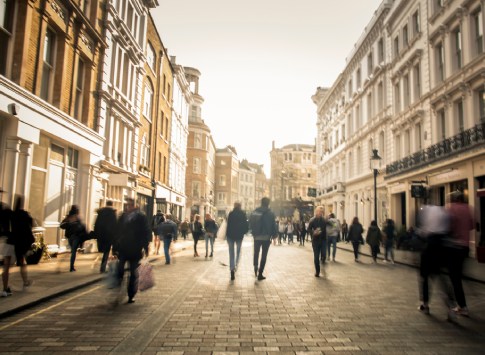
Two streets thirty seconds apart on foot. A £500,000 difference on a comparable flat. That's the reality of buying in Covent Garden, wher...
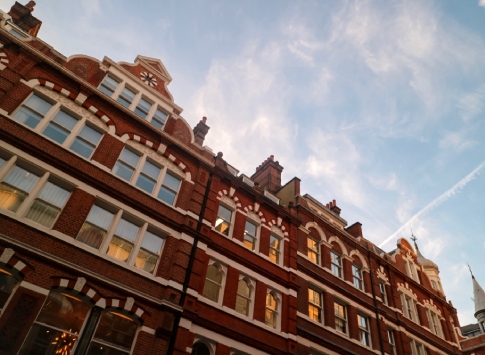
Tucked behind one of Europe's busiest tourist destinations lies a collection of genuinely quiet residential streets — and some of Central...


