Living in Covent Garden: An Area Guide
Living in Covent Garden: Is London's Most Visited District Actually a Great Place to Live? Forty-four thousand people pass through Coven...


St. John’s Wood has plenty of property options – but what are they, and which type of home is right for you?
St John’s Wood sits in a category of its own within north-west London. Its housing stock includes low-density Victorian villas, wide stucco-fronted avenues and a near-total absence of the tightly packed terraced rows that characterise so much of the capital. The result is an area where detached and semi-detached houses are common and where gardens are generous by London standards. That character draws a consistent buyer profile: internationally mobile families, senior professionals, and buyers for whom space and quiet matter as much as proximity to the West End.
What sets St John’s Wood apart from its neighbours is density, or rather the lack of it. Primrose Hill to the east is denser and more terraced; Maida Vale to the south is defined by its mansion flats. St John’s Wood offers something rarer: houses with land, on wide streets, within two miles of the West End. That combination commands a significant price premium and it has done so consistently.

The area’s property mix is broad enough to span from sub-£500,000 new build flats to detached houses listed at eight figures. The table below gives a working reference across the main types.
| Property Type | Typical Period | Typical Tenure | Approximate Price Range |
|---|---|---|---|
| Detached villa | Mid-to-late Victorian | Freehold | £5m–£40m+ |
| Semi-detached house | Victorian / Edwardian | Freehold | £3m–£8m |
| Period terraced house | Late Victorian / Edwardian | Freehold | £2m–£4m |
| Converted flat (period house) | Victorian / Edwardian conversion | Leasehold | £700,000–£2m |
| Purpose-built mansion flat | Late Victorian / Edwardian | Leasehold | £800,000–£2.5m |
| New build apartment | 2000s–present | Leasehold | £435,000–£30m |
The defining property type is the stucco-fronted villa, typically detached or semi-detached, set back from the road behind a low wall or hedged front garden. These were built from the 1820s onwards as London’s first true low-density suburb, and many survive intact on streets such as Avenue Road, Acacia Road, and Hamilton Terrace.
Purpose-built mansion flats appear in smaller numbers than in Maida Vale or Marylebone but are present, particularly around Boundary Road and the edges of the area. Converted flats within period houses are common across the mid-price range and represent the most accessible entry point into the area’s Victorian stock.
The St John’s Wood Conservation Area covers much of the area’s historic core, designated by Westminster City Council to protect the distinctive low-density suburban character that makes the area unusual within inner London.
The conservation area designation limits permitted development: extensions, roof alterations, cladding changes, and the removal of front boundary walls all require planning consent beyond the standard permitted development rights that apply elsewhere. External materials are subject to scrutiny, with a strong preference for matching existing stucco renders and traditional window profiles.
Several buildings within the area carry statutory listing. The Riding School at the former St John’s Wood Barracks on Ordnance Hill is Grade II listed, dating from 1825, and is being preserved as part of the St John’s Wood Square development. Abbey Road Studios on Abbey Road is also Grade II listed, recognised for both its architectural character and its cultural significance.
For buyers, conservation area status is a material consideration in both directions. It limits what neighbours can do to their properties, which helps preserve the character that justifies the price. It also limits what you can do, which matters if you’re planning a significant extension or reconfiguration.
The villas built from the 1820s onwards on the Eyre Estate set the template for the area’s character. Many of the largest examples on Avenue Road and St John’s Wood Road remain in single-family use, though others have been divided into lateral flats.
Internal layouts tend to be deep-plan, with large reception rooms to the front and kitchen-dining space extending to the rear. Original features survive in reasonable numbers in the better-maintained properties, though sash windows have frequently been replaced with timber or UPVC equivalents in mid-tier conversions.
Edwardian stock is less dominant here than in neighbouring areas such as Maida Vale or West Hampstead, but is present on streets closer to the Swiss Cottage boundary. These properties tend to be semi-detached rather than detached and are often well suited to family use without the price point of the larger Victorian villas.
Mansion flats from the late Victorian and Edwardian periods share many of the same internal features as the houses of the same era: ceiling heights above 2.8m, large sash windows, and entrance halls with period tiling in well-maintained blocks.
The most significant development in the area is St John’s Wood Square, a 2.2-hectare scheme on the site of the former St John’s Wood Barracks on Ordnance Hill. Designed by Squire and Partners, the scheme comprises 11 townhouses, 109 private apartments, and 59 affordable flats, with a further 41 social rent homes to be delivered in Marylebone. The Grade II-listed Riding School from 1825 is being retained and converted into a residents’ amenity space, including a swimming pool. The scheme is actively under construction.
Westminster City Council has also approved a smaller infill scheme by Robin Snell and Partners within the conservation area: a nine-home development on the site of the former St John’s Wood Villa on the Abercorn Estate, a 3,200m² project. This kind of carefully negotiated infill, within a conservation area, is typical of how new supply is added in St John’s Wood: incrementally and under close planning scrutiny.
Across the area more broadly, new build and recently completed apartment developments number in the dozens, with prices ranging from approximately £435,000 for smaller units to £30m for high-specification penthouses.
Outside space is one of St John’s Wood’s most significant draws, and it’s one of the clearest ways the area differs from other premium London postcodes. The large Victorian villas typically have substantial rear gardens, frequently south or west-facing, with side returns and in some cases detached garages or outbuildings. Front gardens are generally retained, though many have been partly or fully paved for off-street parking.
Converted flats present a more varied picture. Ground-floor flats often retain a private garden or patio. Upper-floor flats in period houses rarely have direct outside space, though some benefit from roof terraces added during conversion. Purpose-built mansion flat blocks typically offer no private outside space to individual units, though some have communal gardens.
Off-street parking is more common here than in most of inner London, particularly for larger houses. Parking is nonetheless a practical consideration for buyers of converted flats, where a single allocated space can add materially to value.
St John’s Wood has an unusually varied stock for an inner London area. Detached and semi-detached Victorian villas are the defining type, but the area also has Edwardian terraces and semis, purpose-built mansion flats, converted flats within period houses, and a growing number of new build apartments.
The largest villas are among the most expensive residential properties in London; the entry point into the area is typically a leasehold flat.
Most of the historic core of St John’s Wood falls within the St John’s Wood Conservation Area, designated by Westminster City Council. Conservation area status restricts permitted development, meaning owners need consent for many external alterations that would be permitted elsewhere.
Several individual buildings are also listed, including the Riding School on Ordnance Hill and Abbey Road Studios, both Grade II listed with Historic England.
It depends on the property type. Houses are typically freehold. Flats, whether purpose-built or converted, are almost always leasehold. Given the proportion of flats in the market, leasehold is the dominant tenure by transaction volume. Buyers of leasehold properties should check lease length, ground rent, and service charge history carefully before proceeding.
St John’s Wood Square is a 179-home development on the site of the former St John’s Wood Barracks, designed by Squire and Partners and currently under construction. It adds townhouses, private apartments, and affordable housing to the area’s supply, alongside the conversion of the Grade II-listed Riding School into a residents’ amenity.
It represents the largest single addition to St John’s Wood’s housing stock in recent years and introduces a new type of purpose-built townhouse to an area previously dominated by Victorian originals and converted flats.
If you’re buying in St John’s Wood and want advice on how a specific property’s period and type affects its value, or if you’re selling and want to understand how to position your home’s architectural character in the current market, speak to Kubie Gold.
Our team works across St John’s Wood and the surrounding area and can give you expert advice on the local market – sellers and landlords can book a valuation with our local team, while buyers and tenants can register to receive updates as soon as new properties come to market in St. John’s Wood.

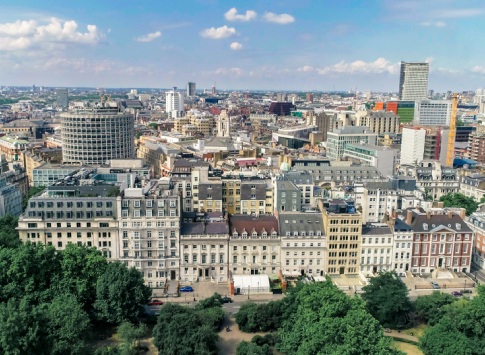
Living in Covent Garden: Is London's Most Visited District Actually a Great Place to Live? Forty-four thousand people pass through Coven...

Two streets thirty seconds apart on foot. A £500,000 difference on a comparable flat. That's the reality of buying in Covent Garden, wher...
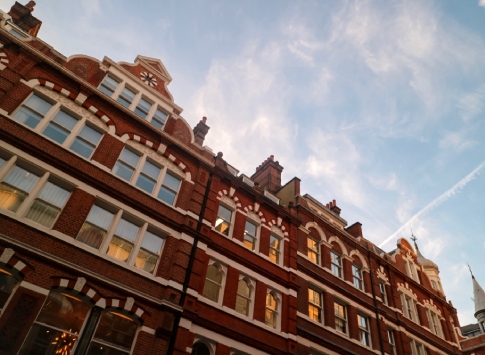
Tucked behind one of Europe's busiest tourist destinations lies a collection of genuinely quiet residential streets — and some of Central...


